Slope and footing
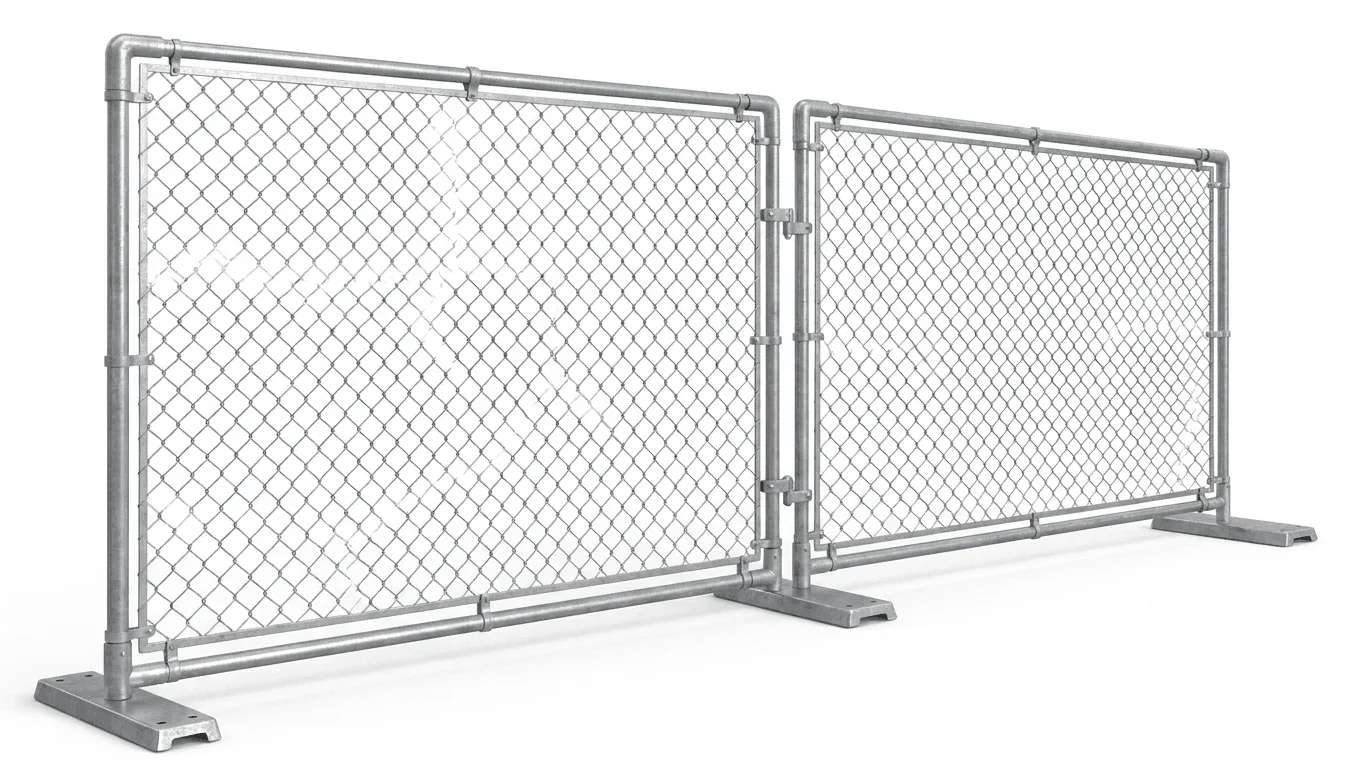
On the city’s steeper streets, panel bases sit at different elevations every few feet. That affects site-stability factors choices and the frequency of bracing. Where sidewalks are narrow or crowned, alternating foot placement and offset runs may be needed to maintain line continuity without intruding into vehicle lanes.
Access and public interface
- Will trucks load panels from a level area, or must staging happen from an alley with limited clearance?
- Are there doorways and stoops along a historic facade that require jogs and returns? Older blocks introduce frequent interruptions.
- Near institutional facilities, plan for clear emergency access paths and visible wayfinding around detours, especially during shift changes.
Weather, wind exposure, and duration
The regional climate brings wet periods and freezing temperatures. On sloped or saturated ground, added site-stability factors and drainage awareness matter to keep bases seated. For longer runs through winter, lighting at crossings can improve visibility; see /generators-light-towers-rental/ if powered solutions are part of the layout.
Coordinating with elevated work
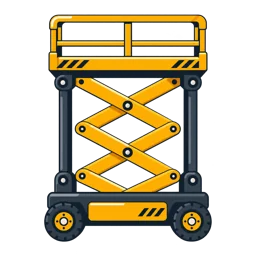
Where fencing surrounds lift activity on uneven lots, verify setback for boom swing and scissor platform travel, and maintain protected routes for materials handling. For equipment comparisons: - Exterior uneven surfaces: /rough-terrain-scissor-lift-rental/ - Confined urban tasks with reach offsets: /articulating-boom-lift-rental/ - Straight-ahead elevation along long facades: /telescopic-boom-lift-rental/
Alley and curb transitions
Barricade lines that cross alleys or curb cuts may need ramped transitions or staggered panels to maintain sightlines for vehicles entering traffic on grades. Documenting these pinch points helps avoid last-minute rework.
For a site-specific plan, share slope photos, surface notes (asphalt, brick, or gravel), and intended duration through /contact/.