Start with slope, surface, and approach distance
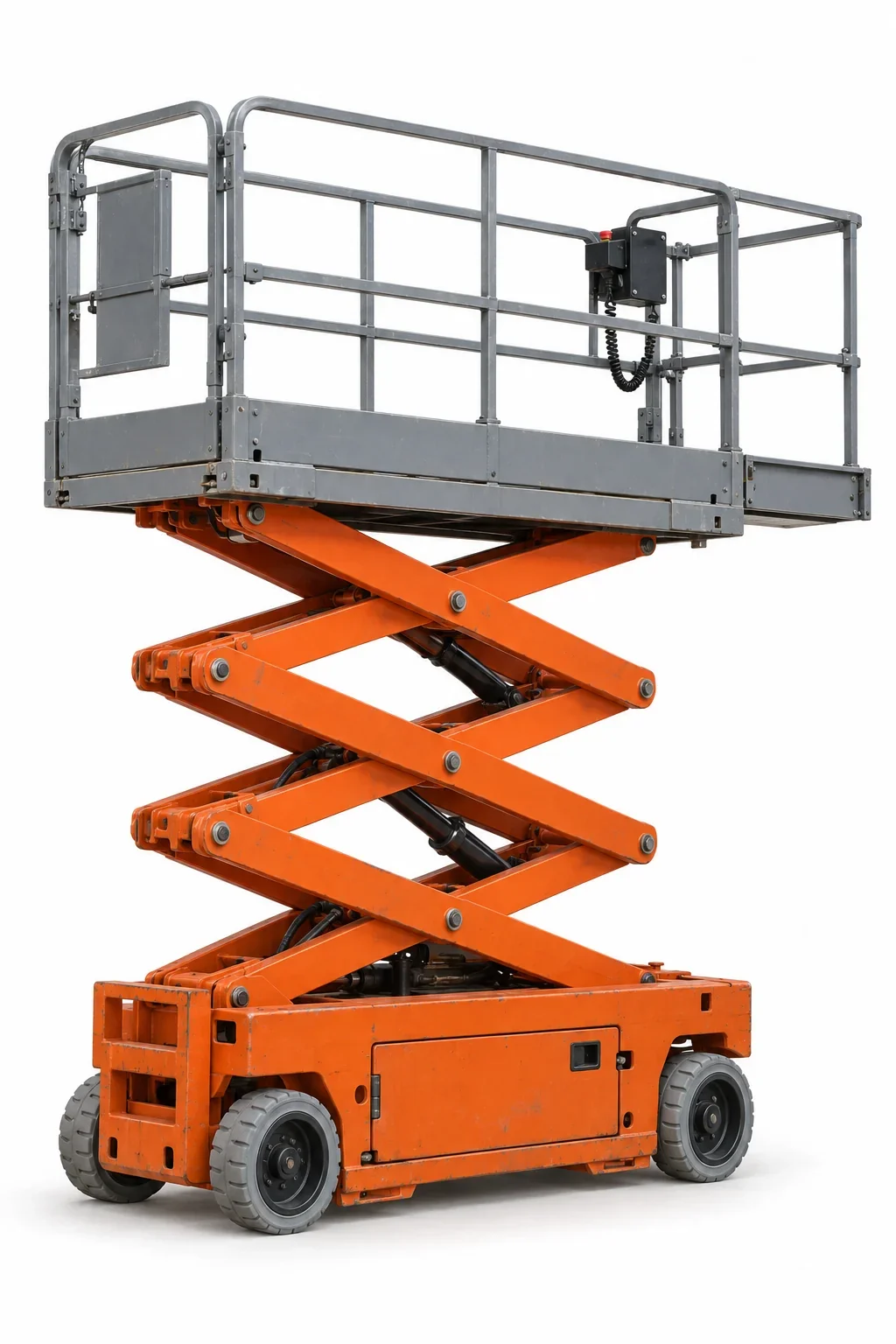
The first constraint is whether the machine can sit below the task on uneven ground. Cincinnati’s hillside neighborhoods and graded commercial sites often combine variable slopes with soft or broken surfaces. Ground clearance, tire type, and the unit’s rated capability for uneven terrain shape the category comparison.
Deck size vs. access
Larger platforms improve productivity for façade runs and exterior framing, but transport and gate openings can limit width. On tight urban lots, confirm the narrowest gate or alley measurement before targeting a wide‑deck machine.
Weather and year‑round use
The regional climate brings frequent precipitation and winter freeze, so exterior work benefits from machines built with weather‑resistant hydraulic components and enclosed controls for cold conditions. Plan staging to keep the lift within site procedures during wind or icing events; outdoor work is subject to actual conditions and the selected unit’s instructions.
When a rough‑terrain scissor isn’t enough
If the work point is offset beyond a platform extension—over grade beams, landscaping, or canopies—consider a boom with up‑and‑over reach. Compare options at /boom-lift-rental/ or review general categories at /aerial-lift-rental/.
Typical Cincinnati use cases
- Siding, glazing prep, and envelope punch lists on graded pads
- Utility runs along sloped easements
- Exterior maintenance on multi‑level sites where slab machines can’t stage