Placement and approach on the hills
- Can a tractor and trailer approach with enough straight-line distance to offload on a level section? Many hillside lots have short, angled driveways.
- Will the container sit on compacted, level ground? Uneven pads can twist door frames and complicate daily access.
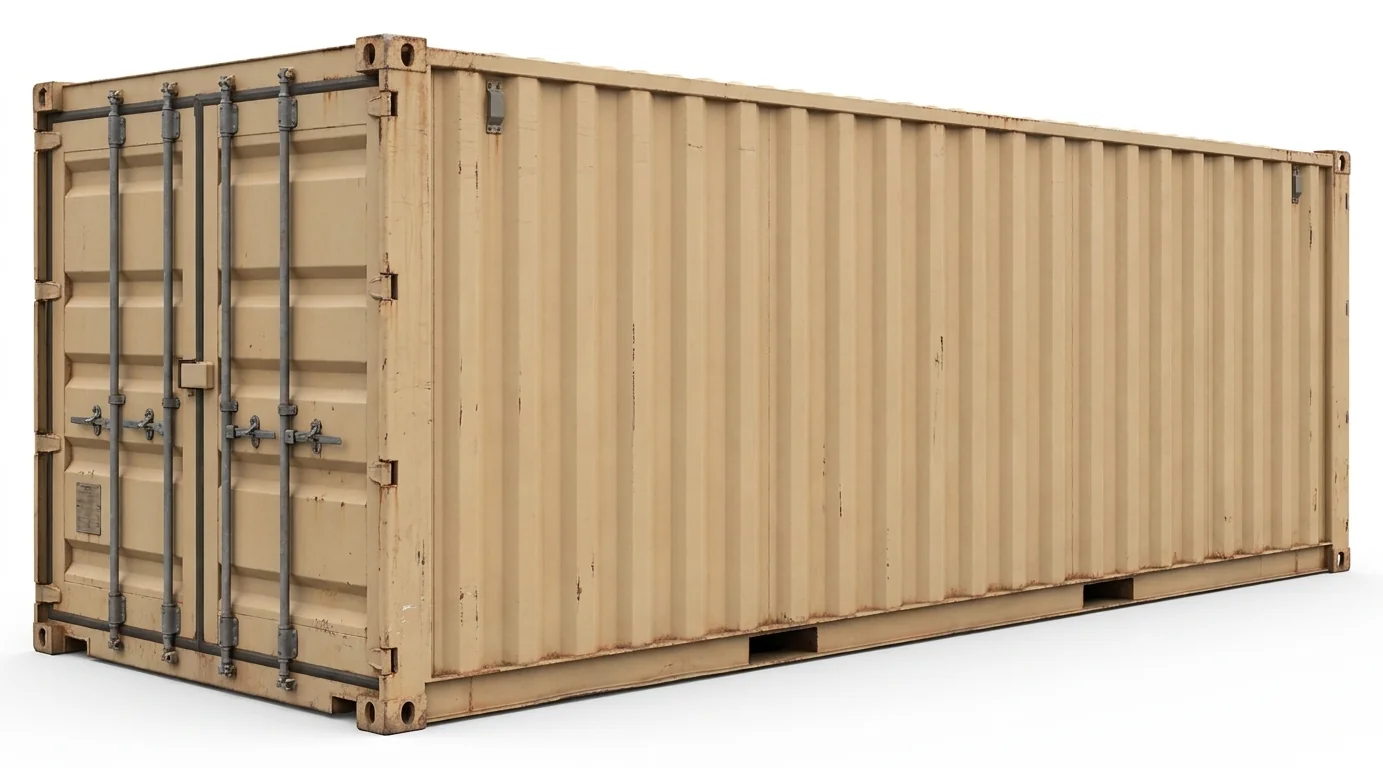
- Is there turning room in alleys behind older buildings? Tight radii and overhead obstructions frequently restrict 40-foot placements, steering projects toward shorter units.
Access method shapes the container choice
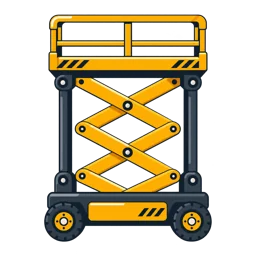
Loading patterns in local distribution buildings differ from urban restorations: - Forks or telehandlers moving pallets require clear door swing and firm apron space. See /telehandler-rental/ or /forklift-rental/ if materials handling is part of the plan. - Crews using scissor lifts to stage parts at elevation may prefer side-access units that align with curbside parking in narrow corridors. For lift options, compare /electric-scissor-lift-rental/ for indoor floors or /rough-terrain-scissor-lift-rental/ outside on uneven ground.
Weather and security expectations
The regional climate brings frequent precipitation and freeze-thaw cycles. Containers with sound door seals, roof drainage that handles standing water, and interior ventilation help protect stored finishes and electrical components. Where projects border residential blocks or institutional campuses, consider lighting around the container yard; planning may include /generators-light-towers-rental/ during off-hours.
Duration and site coordination
Longer placements on public-facing lots add coordination: snow clearance around doors in winter, water runoff in heavy rain, and sightline considerations at driveway exits on sloped streets. Documenting pad elevation and clearances reduces repositioning later.
When elevation changes force a different plan
If the only flat zone is remote from work, smaller tandem units may fit staggered pads better than a single long container. Where ground softens near retaining walls, cribbing plans and shorter wheelbases can reduce settlement.
For equipment that loads or stages from the container at height, see /aerial-lift-rental/ for category context, or contact /contact/ with photos of the pad and approach angles.