Start with height, then measure where the machine can sit
The workable choice narrows when you know two numbers: required platform height and where the scissor can physically sit. If the machine can park directly under the task on a flat slab, an electric scissor with a compact footprint usually fits. If the work area is offset or outdoors on uneven ground, look at rough‑terrain models with larger decks and higher ground clearance.
Cincinnati jobsite factors that change the scissor pick
- Steep grades and broken pavement on hillside projects: favor rough‑terrain units designed for uneven approaches.
- Narrow access in revitalized historic blocks: compact electric models with tight turning radius and slide‑out decks help inside older structures and alley entries.
- The regional climate: precipitation and winter freeze push exterior work toward machines with weather‑resistant systems and enclosed controls.
- Warehouse traffic patterns: slab machines with non‑marking tires prevent floor damage and allow tighter aisle work.
Electric vs. rough‑terrain at a glance
- Electric scissor lifts: best for flat, finished floors; low noise; typically lighter for sensitive slabs; common in inventory aisles and commercial interiors. See options at /electric-scissor-lift-rental/.
- Rough‑terrain scissor lifts: suited to unfinished sites, slopes, and outdoor tasks; larger platforms for crews and materials when conditions allow. Explore models at /rough-terrain-scissor-lift-rental/.
Platform size and access constraints
Cincinnati’s mix of new logistics facilities and older masonry buildings means access varies. Measure doorway clear width, interior turning circles, and floor loading limits before selecting deck size. Bigger decks speed up exterior façade work but may not clear historic entrances or tight service corridors.
When a scissor isn’t the right geometry
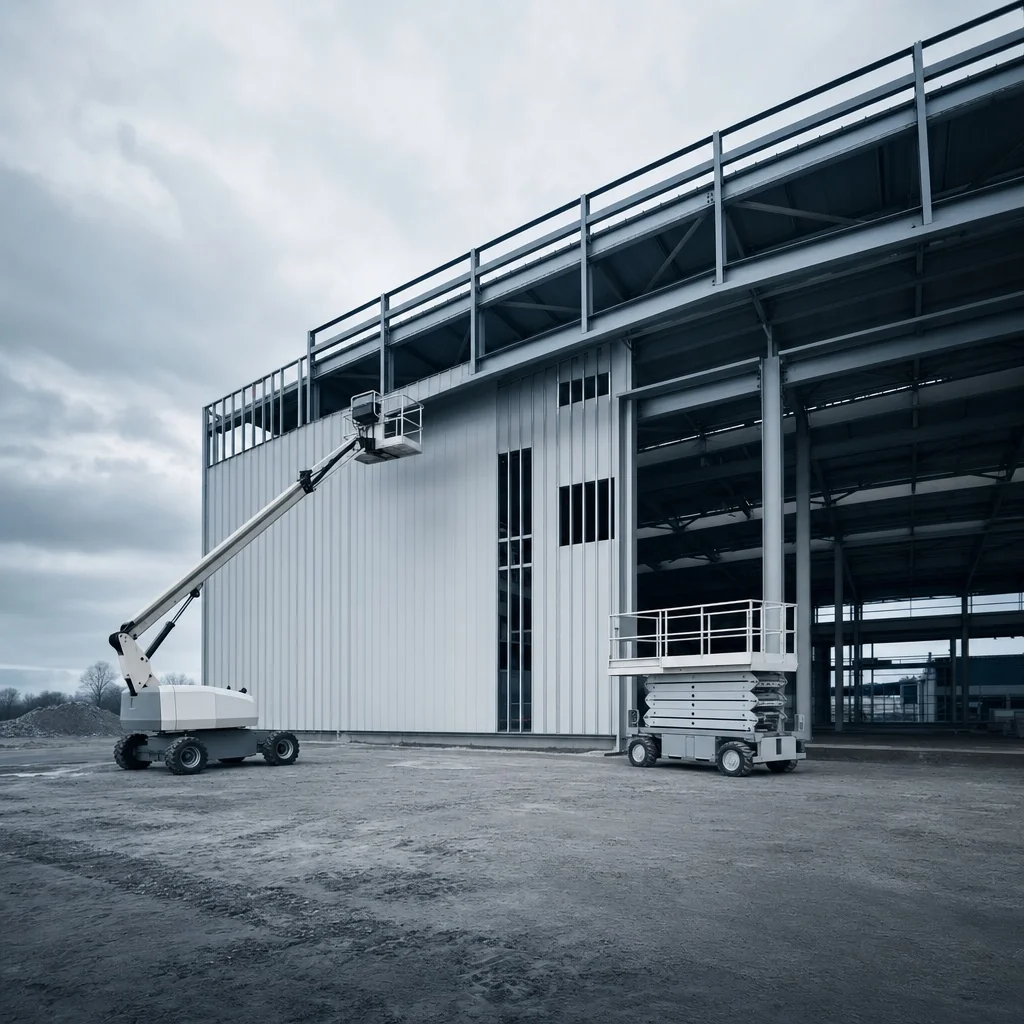
If the work point can’t be reached from directly below—such as over piping, conveyors, or architectural projections—an aerial boom may be the more efficient shape. Compare boom categories at /aerial-lift-rental/ or go straight to /boom-lift-rental/ if you need up‑and‑over reach.
Planning next steps
- For interior slab work: confirm slab condition, turning space, and lift height, then review /electric-scissor-lift-rental/.
- For hillside or exterior staging: note slope, surface type, and weather exposure, then review /rough-terrain-scissor-lift-rental/.
- For offset reach: consider /aerial-lift-rental/ for articulating or telescopic booms.